Low Traffic Neighbourhoods
Remove through traffic from residential streets by creating low-traffic neighbourhoods for all residential areas in the borough.
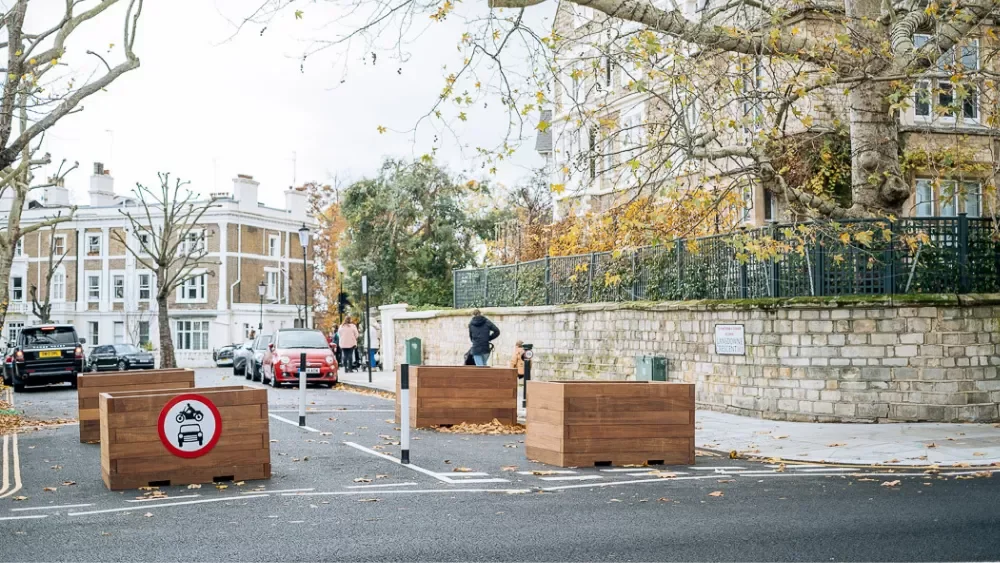
Low-traffic neighbourhoods – LTNs – can make a huge positive difference to an area. In summary, they are parts of a borough identified as small enough that walking or cycling from one end to the other is practical. No rat-running is then allowed through the area, although of course residents can still access their front door. The emergency services are consulted to ensure in their design their needs are taken into account. More on this can be found here.
The concept isn’t entirely new. It’s very widely used in different parts of Europe, and in London, similar schemes have been in existence for years but had not until recently been promoted. Within RBKC the area around Victoria Road is in many ways an LTN already. There is little rat-running, and residents and visitors enjoy quieter and friendlier streets.
We worked with RBKC to explain the strategy of an LTN, and are pleased that they are now endorsed as part of RBKC policy.
We now need to work on specific proposals in the borough. Good, thoughtful design is key.
Although theoretically part of RBKC policy, regrettably RBKC have confirmed to us that they have no plans actually to study any, let alone implement any. This is a huge shame, as there are a number of areas that would be a great fit for low-traffic neighbourhoods with some pretty simple interventions.
Lots have also been mapped out by TfL’s Strategic Neighbourhood Analysis (SNA), as mapped here) – and these should be covered by area-wide and high-quality low-traffic neighbourhoods substantially removing cut-through motor traffic, with priority given to those with the greatest need (i.e. darker green areas in the SNA).
Although “Low Traffic Neighbourhoods” have caught the headlines, in reality, the goal of reducing vehicle traffic and having quieter, safer and more people-friendly roads has led to some great parts of the borough – they just weren’t called LTNs! For example, imagine if there was a campaign to open up Clarendon Cross to traffic, or allow cars through all the pedestrian paths of Lancaster West – there would, rightly, be outrage. LTNs reduce the overall number of car journeys, improving air quality and reducing health inequalities, and cutting out through traffic has been shown to cut the risk of injury on neighbourhood streets in half.[1]
[1] The Impact of Introducing Low Traffic Neighbourhoods on Road Traffic Injuries
Latest Updates on this Goal