Chelsea Embankment
Let’s restore this beautiful part of our borough and make the roads safer for all.
Photo Credit: Paul Robertson
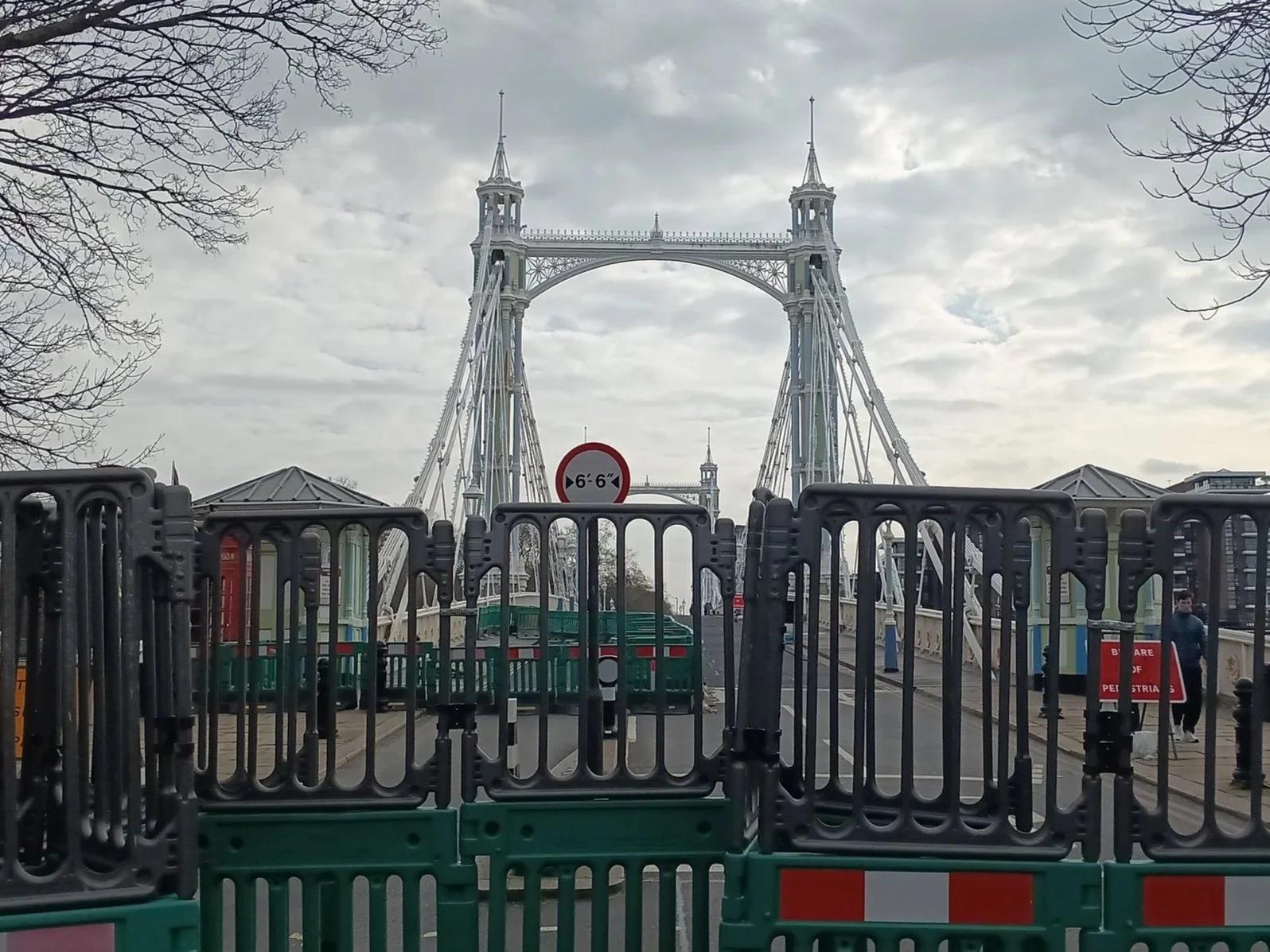
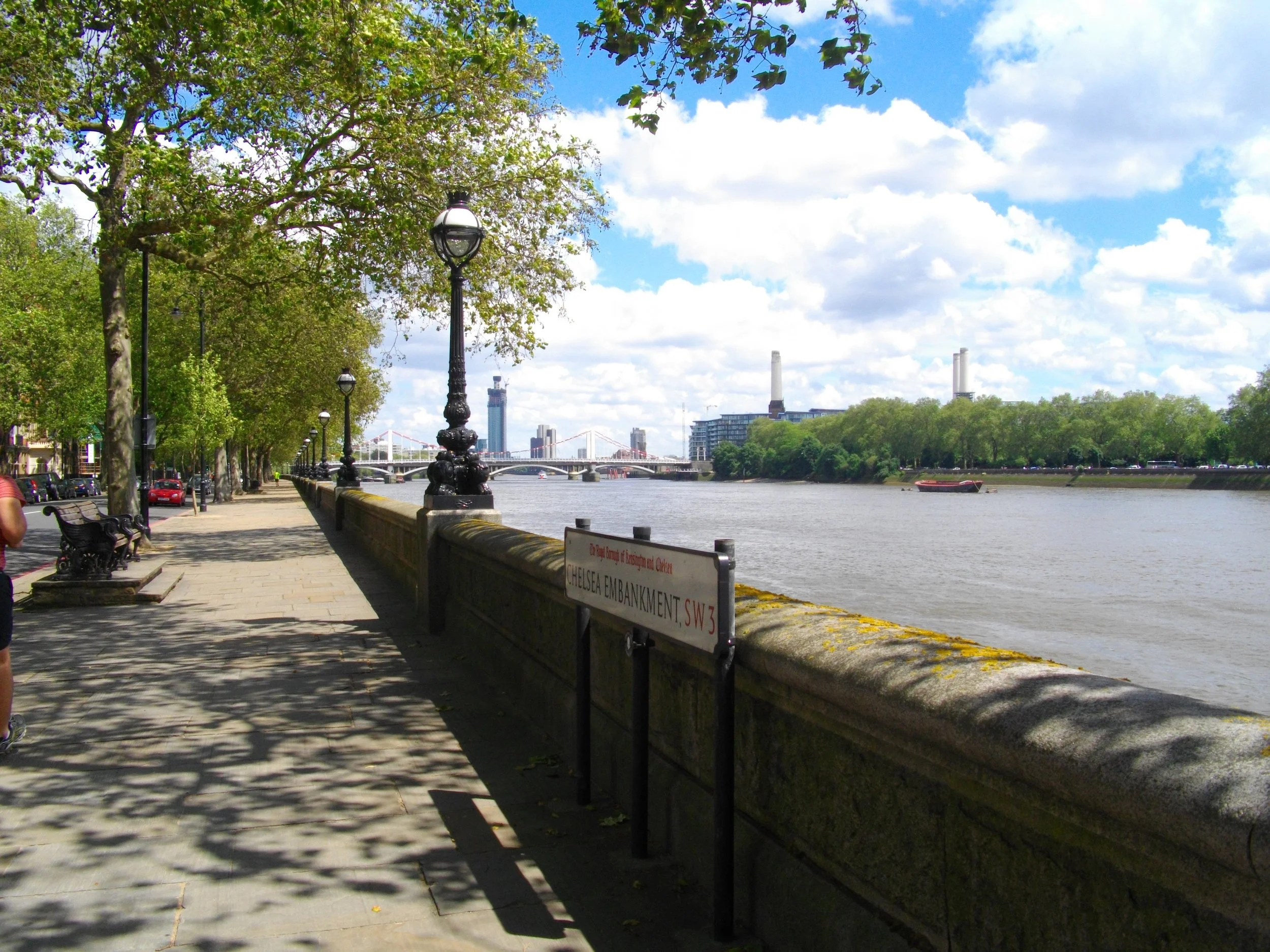
Chelsea Embankment is one of the most beautiful parts of our borough, following the course of Thames between borough boundaries of Westminster to the East, and Hammersmith and Fulham to the West and bookmarked by Chelsea Bridge on the Eastern border and Battersea Bridge towards the Western end. The Thames flows on one side, with a number of notable buildings to the other.
Why it matters!
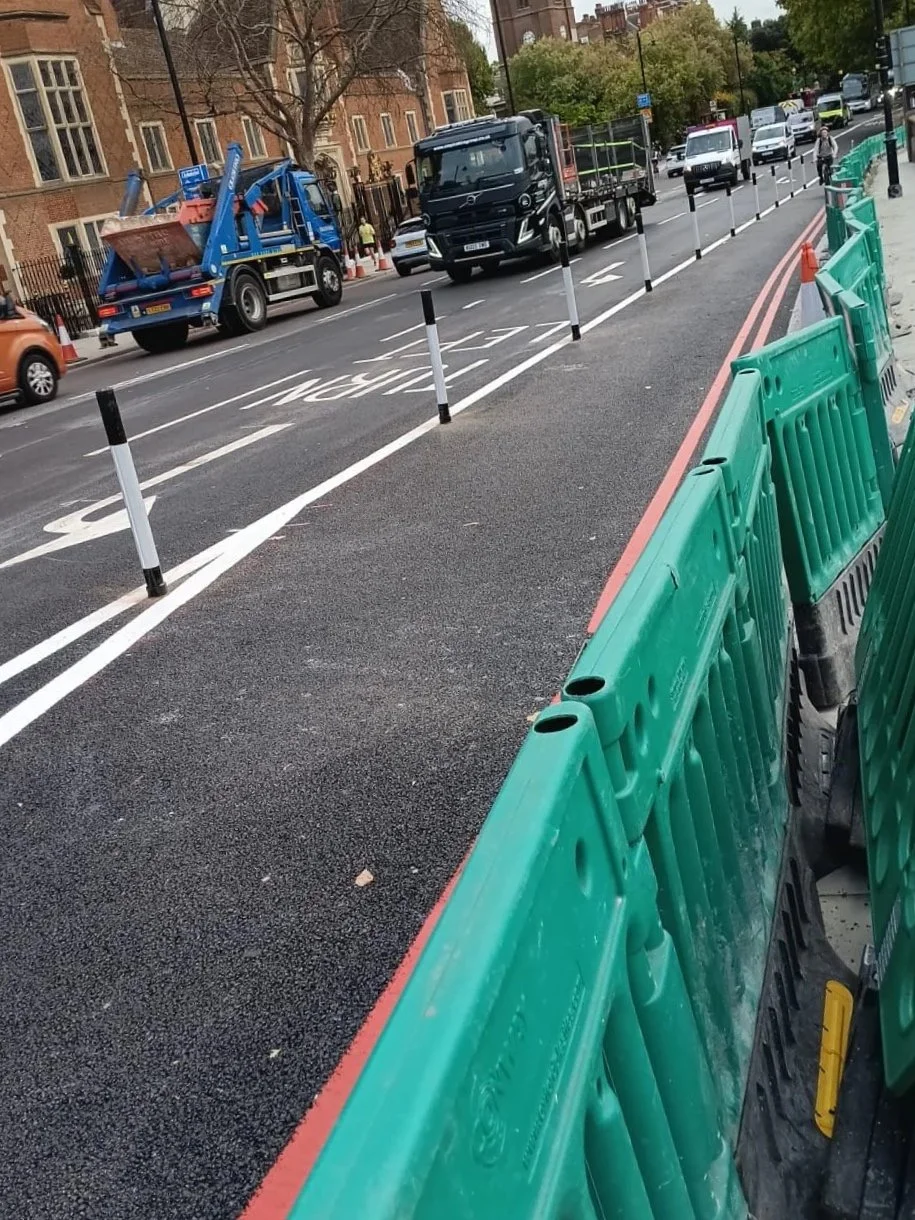
The Embankment is one of most iconic red routes in the Borough, with stunning views of the river and Chelsea's three bridges. At peak times, cyclists outnumber cars. However, as there is hardly any cycling infrastructure, only hardened commuters use it. After years of accidents, culminating in two cycling casualties in two years, TfL finally took action in 2025 and improved the area around the junction north of Battersea Bridge. This included the first segregated cycle lane in the borough - a whole 50 meters long!
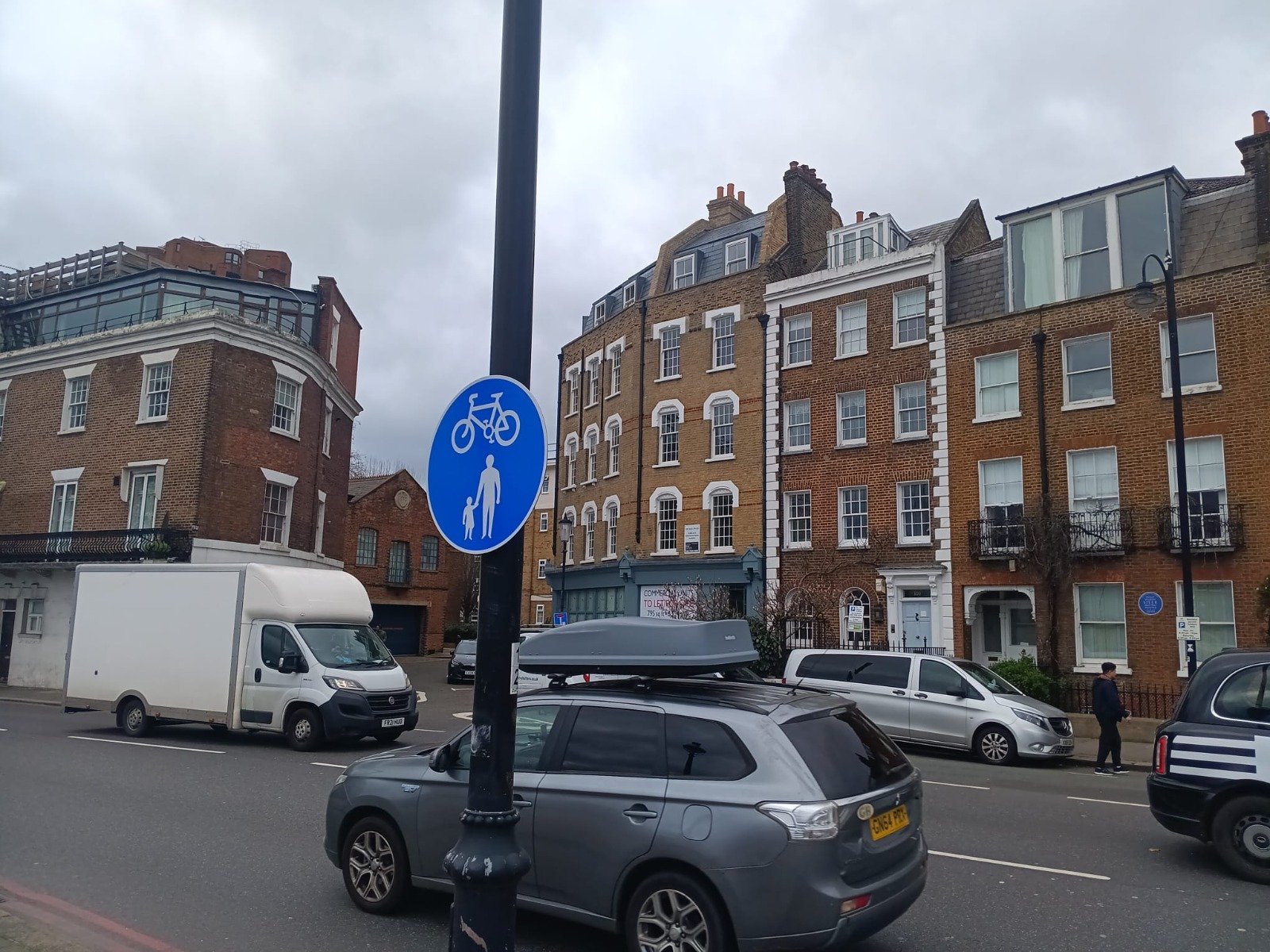
Most of the Embankment has no cycling infrastructure on the carriage way. Cyclists can use the pavement, which is shared with pedestrians. However, this is often crowded and filled with runners, so this can lead to dangerous situations.
The only safe solution for all road users, is to have segregated cycle lanes from Chelsea Bridge to Lots Road. This would make it simply a continuation of Grosvenor Road. TfL has had plans for these cycle lanes for over 20 years. CS8 was supposed to go along the Embankment. Due to opposition from a few local residents this was cancelled, and CS8 redirected across Chelsea Bridge. Now, 20 years later, it is time to finally build the only solution that is safe for all road users, especially the most vulnerable.
A bit of history…
The embankment was constructed in the 1870s as part of Bazalgette’s sewer system for London, and underneath runs a main part of the capital’s sewer system.
However, unlike other parts such as the same system like The Greenway in East London, over which now runs a 5-mile oasis of greenery for those on foot or bike, and from which one can admire Bazalgette’s surface architecture of the Abbey Mills pumping station, the Chelsea Embankment – built before cars came to London – is now a busy road mostly for through traffic, with the noise, poor air quality, access difficulty and road danger that that brings.
In 2020, the daily count of motor vehicles was about 20,000 per day, down from pre Covid levels of around 30,000 per day (https://roadtraffic.dft.gov.uk/manualcountpoints/47662).
Recent Collisions
This high level of motor traffic has a range of negative consequences. First, the road, and its principal junctions at the three bridges (Chelsea, Albert and Battersea) are dangerous to vulnerable road users such as pedestrians and those on bikes. The graphic below shows collisions where the casualty was either a cyclist or a pedestrian.
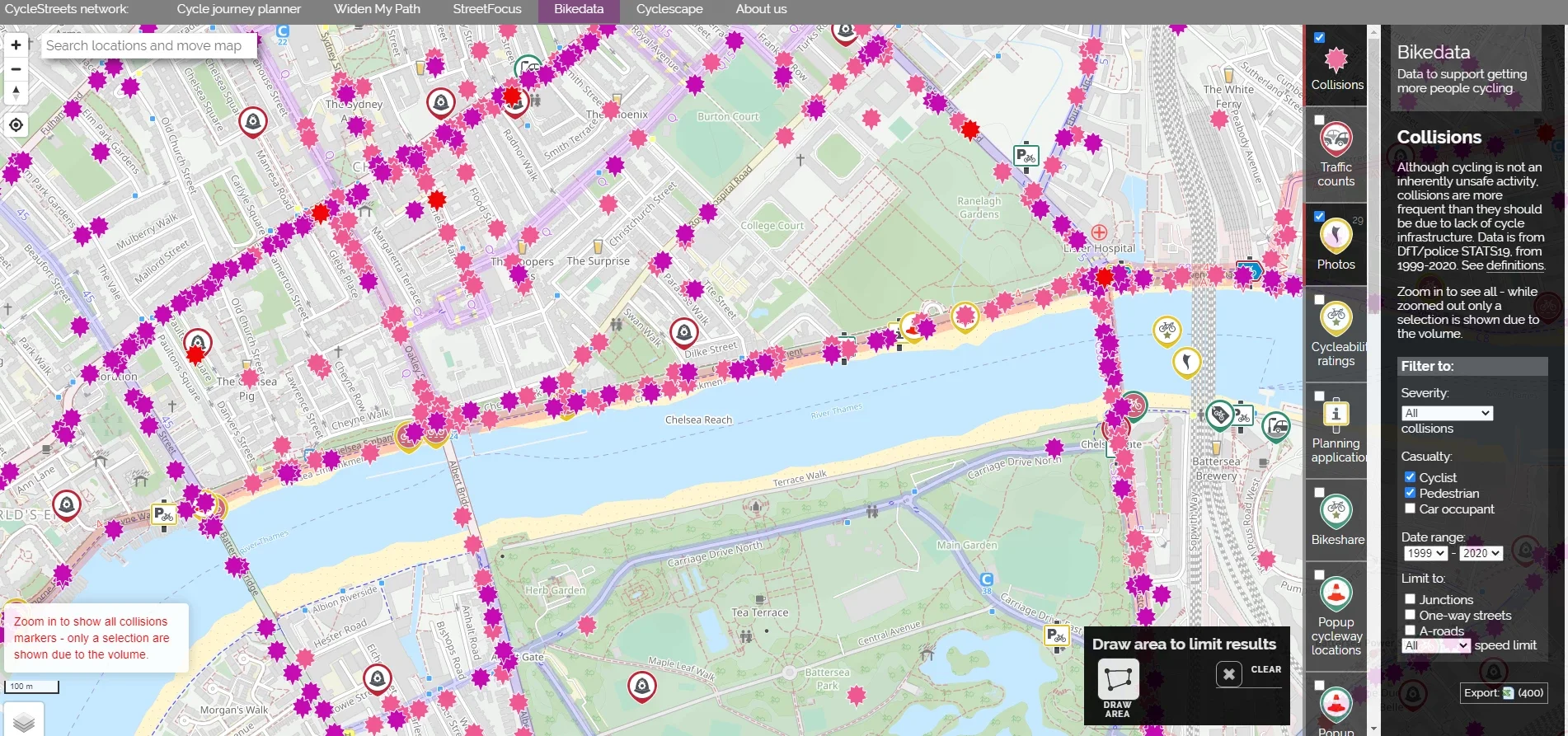
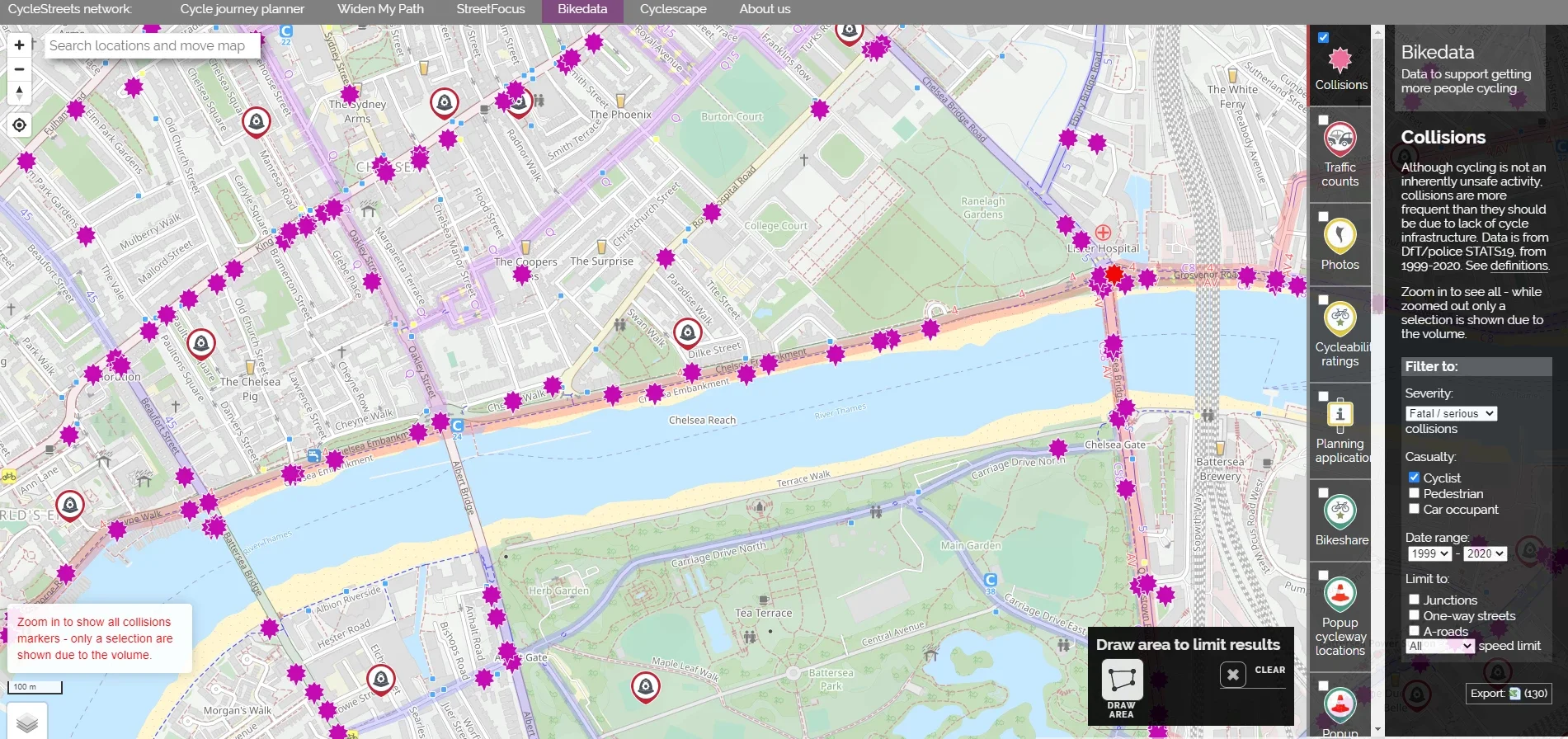
The danger is at both junctions and on the road. The 2020 count showed approximately 4,300 people cycling on this road daily. This second graphic shows only killed or severe injuries to those on bikes (to the north, you can see the horrific safety record of the King’s Road, which remains unaddressed by RBKC).
We need safe junctions and safe cycle lanes
There have been efforts to put in place safer junctions and safe cycle lanes for at least two decades. Why hasn’t it happened?
First, there’s the question of who is in charge of the road. Technically, the road is part of the Transport for London Road Network (TLRN), and so the responsibility and under the control of TfL (unlike most roads in the borough, such as High Street Kensington, which are under the control of RBKC). But that doesn’t necessarily mean TfL can decide for itself. For example, there are parts of the road with parking provision which are controlled by RBKC. And a scheme on one road will impact other roads in one way or another (for example, by no entry signs to stop rat-running), and so co-operation between TfL and RBKC is desirable.
In practice, this has meant RBKC have vetoed plans for change here – most recently in the summer of 2020.
But planning and consultation go way back – this example from 2002 is over twenty years old!
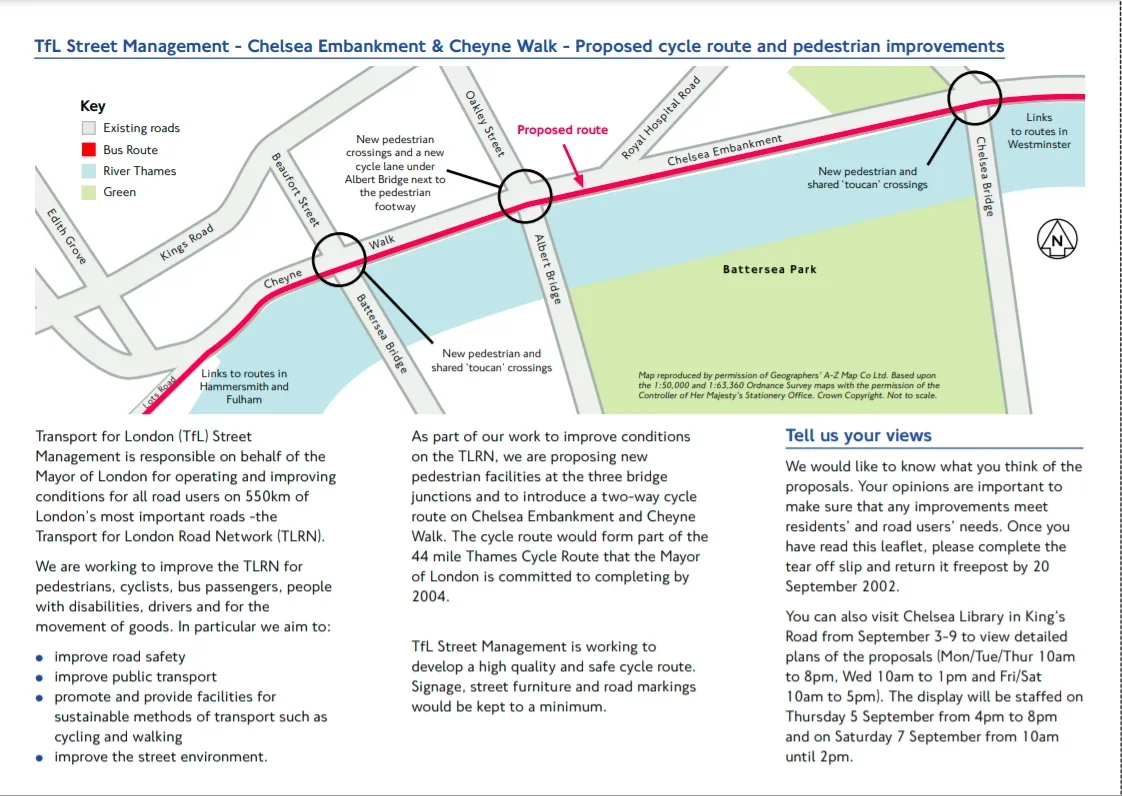
As we understand it, resistance to the implementation of safety measures has come from concerns over the additional motor vehicle congestion they may cause. There are certainly challenges here to introduce needed safety measures without impacting motor vehicle journey times (assuming vehicle traffic remains constant).
While much of the Embankment is wide, and can easily accommodate (for example) a safe cycle lane, the Western part is more constricted, and then at each junction, the introduction of “green man” pedestrian phases can impact traffic flows from north and south contributory roads. Tailbacks, for example, on Battersea Bridge are already known, and buses, as well as private vehicles, use the roads.
But the price of delay because of fears over congestion and engineering challenges has been grimly predictable.
Some action has been happening after some tragic events
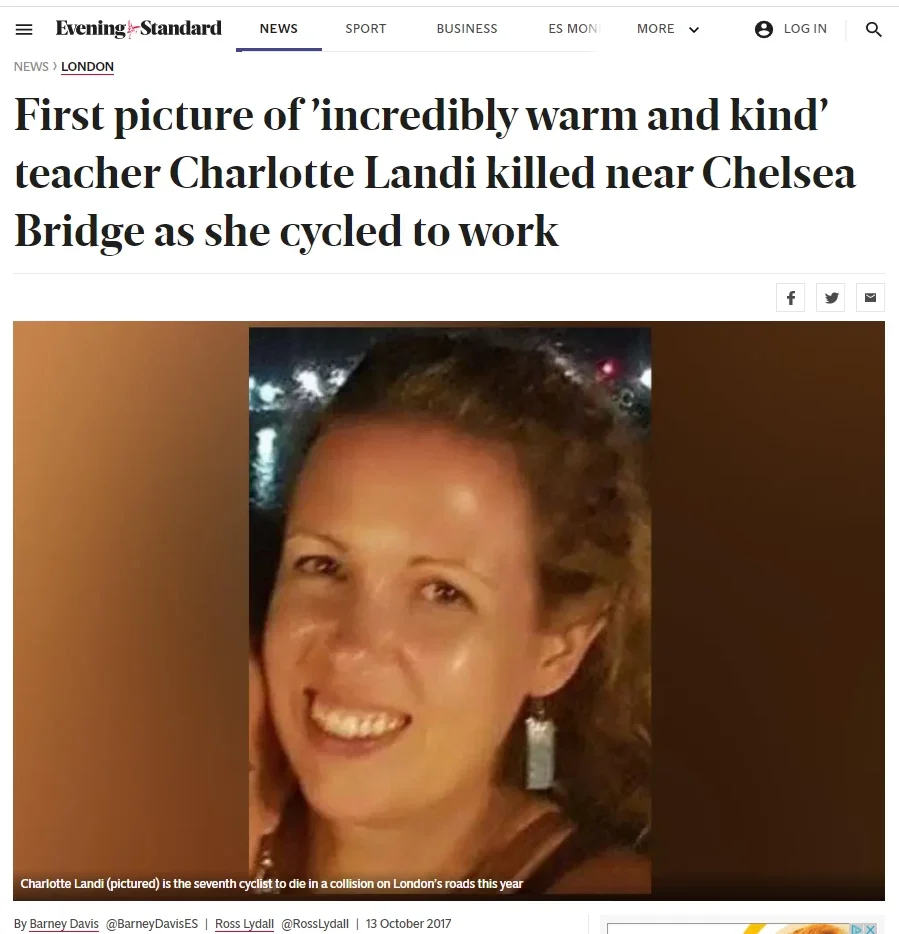
In 2017, teacher Charlotte Landi was killed while cycling by a left-turning HGV at the junction of Chelsea Embankment and Chelsea Bridge. Left turns are known to be dangerous, which is why they sometimes are not permitted to avoid conflicts with motor traffic, or specific phased traffic lights put in.
The road leading to this junction is now a safe, protected cycle lane, running along the Embankment (Grosvenor Road) in Westminster. This route is known as Cycleway 8. It ends at the border with RBKC – unless you turn south and exit the borough, heading across Chelsea Bridge and on to Wandsworth, a route on which protected lanes have now been installed. The turning at which Charlotte Landi was killed has therefore been addressed.
Jack Ryan was killed crossing Battersea Bridge in January 2021.
Transport for London is now addressing this arm of the junction.
These are positive steps following two tragic events. But there remains a huge amount to be done. For example, at Battersea Bridge, now only one of the four arms of the junction has been addressed. There remains no safe cycle lane at all along this road. And running north of Chelsea Bridge, along Chelsea Bridge Road, RBKC promised a safe, protected bike lane – and then simply didn’t build it.
WHat’s next?
RBKC stopped TfL plans for safety improvements on this route in 2020. But we are hoping that TfL will now take these forward and that RBKC will cooperate. The improvements to Cycleway 8 outside of RBKC are already a positive (and among other things will help reduce further car traffic between the ever-growing Battersea Power Station area and RBKC by giving a viable alternative for those wishing to make this journey by bike rather than a car). However, at present, C8 is routed around RBKC, and so for the thousands whose daily journeys need to continue along Chelsea Embankment, action is needed.
New junction treatments are likely to present challenges to the traffic engineers involved. And we need also to keep in mind the safety and quality not only of the Embankment but also the surrounding mostly residential roads, to ensure these do not become further overwhelmed with motor traffic – Oakley Street being one example, currently, in theory, one of RBKC’s “Quietway” cycle routes, but already with lots of motor traffic that negatively impacts those living on this street, pedestrians and those travelling by bike. Experience shows that focusing on traffic reduction and improving infrastructure for those who can, or wish, to walk or cycle instead, will lead to better outcomes than attempting to accommodate growing private vehicles through traffic.
If you have any thoughts, questions or comments on this, we’d love to hear from you – please get in touch here.
Latest Updates on this Campaign